The Line We Don't Cross: Why an AI Image Site Can Say No

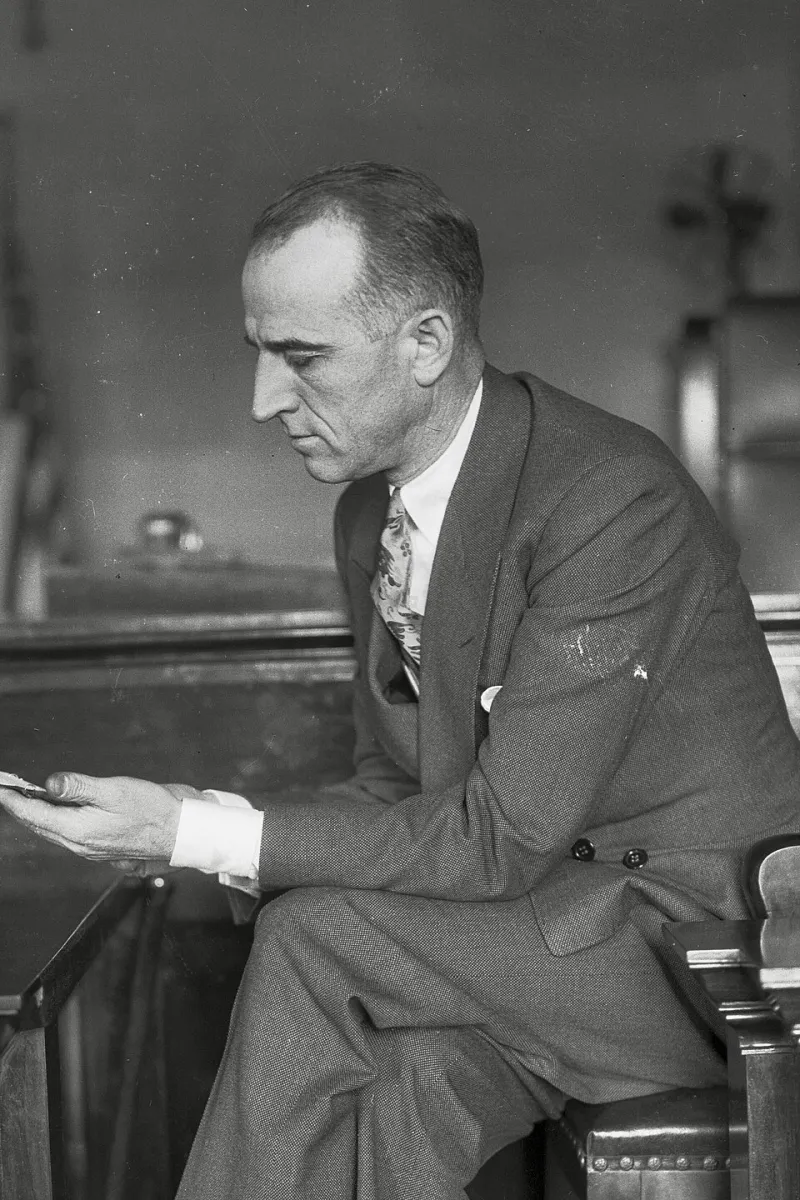
Photo: President (1981-1989 : Reagan). White House Photographic Office. 1981-1989, Public domain, via Wikimedia Commons
There's a certain irony in publishing this on a site with our domain name. But if you've read our masthead lately — or our coverage of the Take It Down Act, the first wave of nudify lawsuits, and the detector arms race — you already know we've picked a side. This piece is about the side itself: the line, why it exists, and why saying no is harder and more important than any model weights.
Capability Isn't Permission
Every few weeks, someone emails us asking why a particular feature is "locked." The tech exists, they argue, so where's the harm? This argument sounds reasonable and falls apart in one sentence: a lockpick is also just technology. The gap between can and may is where entire legal systems live, and in the US that gap has been filling up fast. State laws criminalizing nonconsensual synthetic intimate imagery now span the map, and the federal TAKE IT DOWN Act made it a matter of weeks, not years, for platforms to remove reported content or face consequences.
The honest framing is this: the moment a tool is pointed at a real person without their consent, it stops being a creative toy and becomes a weapon. We don't get to pretend otherwise because the output is "just pixels."
What a Refusal Actually Looks Like
Refusals are unglamorous. Nobody screenshots a 403 error and posts it to their group chat. But building a real refusal system is a lot of work, and it's worth describing what it involves:
- Input screening — classifiers that flag images of real, identifiable people before processing ever begins.
- Rate and pattern monitoring — because abuse rarely looks like a single request; it looks like a burst of uploads at 2 a.m.
- Human review — automated systems miss context, and context is where consent lives or dies.
- Clear documentation — users deserve to know what's banned and why, not discover it through a cryptic error.
None of this is perfect. Determined bad actors migrate to shadier platforms — the ones with no terms of service, no jurisdiction, and no interest in the question. But the existence of worse actors isn't an argument for being one.
The Business Case Nobody Brags About
Here's the part that surprises people: refusing abuse is commercially rational. Payment processors, app stores, hosting providers, and ad networks have all tightened their rules around synthetic intimate imagery. Platforms that ignore consent end up on blocklists, in civil complaints, or in the kind of press release issued by a state attorney general. The nudify lawsuits we've covered weren't just legal events — they were market events. Investors and infrastructure partners read them too.
There's also the quieter cost: trust. Adult-content consumers are not naive. They know which platforms treat them as marks and which treat them as customers with a stake in the ecosystem surviving. A platform that polices consent is a platform that plans to exist in five years.
Where We Go From Here
The technology will keep improving. Detection will improve. Legislation will keep arriving, state by state, until the map is solid. What won't change is the underlying principle, which predates AI by a few thousand years: another person's image belongs to them.
If you're a builder working on generative imagery, the takeaway is simple — design the refusal first, then build the feature around it. If you're a user, the takeaway is simpler still: what you'd want done to a photo of someone you love is the standard. Everything else is just an excuse with a GPU behind it.
We'll keep writing about this space — the tech, the law, the failures, and the occasional wins — because pretending it doesn't exist helps no one. But we'll keep declining the requests that cross the line. That's not a limitation. That's the product.